Reading
Her School Banned ChatGPT. She Built an AI Startup Anyway
A 17-year-old's school WiFi blocks ChatGPT and Claude. She built an AI startup anyway. Her story is the best argument against blanket AI bans.
Prices last read 2026-10-05
Short answer
Not pointless, but not enough on their own. Even the student in this story, whose school blocks ChatGPT, says the ban helped her focus and also says banning isn't the answer.Fortune reported on September 27, 2026 that Navya Tuteja, a 17-year-old senior at Thomas Jefferson High School for Science and Technology, has school WiFi that blocks ChatGPT, Claude and similar tools. She still launched Raaha, a free platform for neurodivergent job seekers that Fortune says has more than 1,000 users. Her own verdict: "I don't think banning it is the solution. I think you have to regulate it."Source: Fortune: 17-year-old AI founder banned in school · 2026-10-05
What actually happened
Fortune's Nick Lichtenberg reports that Tuteja attends Thomas Jefferson High School for Science and Technology outside Washington, D.C., and leads its AI club. The school's WiFi blocks ChatGPT, Claude and similar generative AI services. About two months before the article, she launched Raaha. It helps neurodivergent job seekers judge whether a listing fits them before they apply, and Fortune reports more than 1,000 users and 20,000 job listings. She bootstrapped it. She plans to keep it free while it grows and may later charge employers and workforce organizations.
Source: Fortune: 17-year-old AI founder banned in school · 2026-10-05
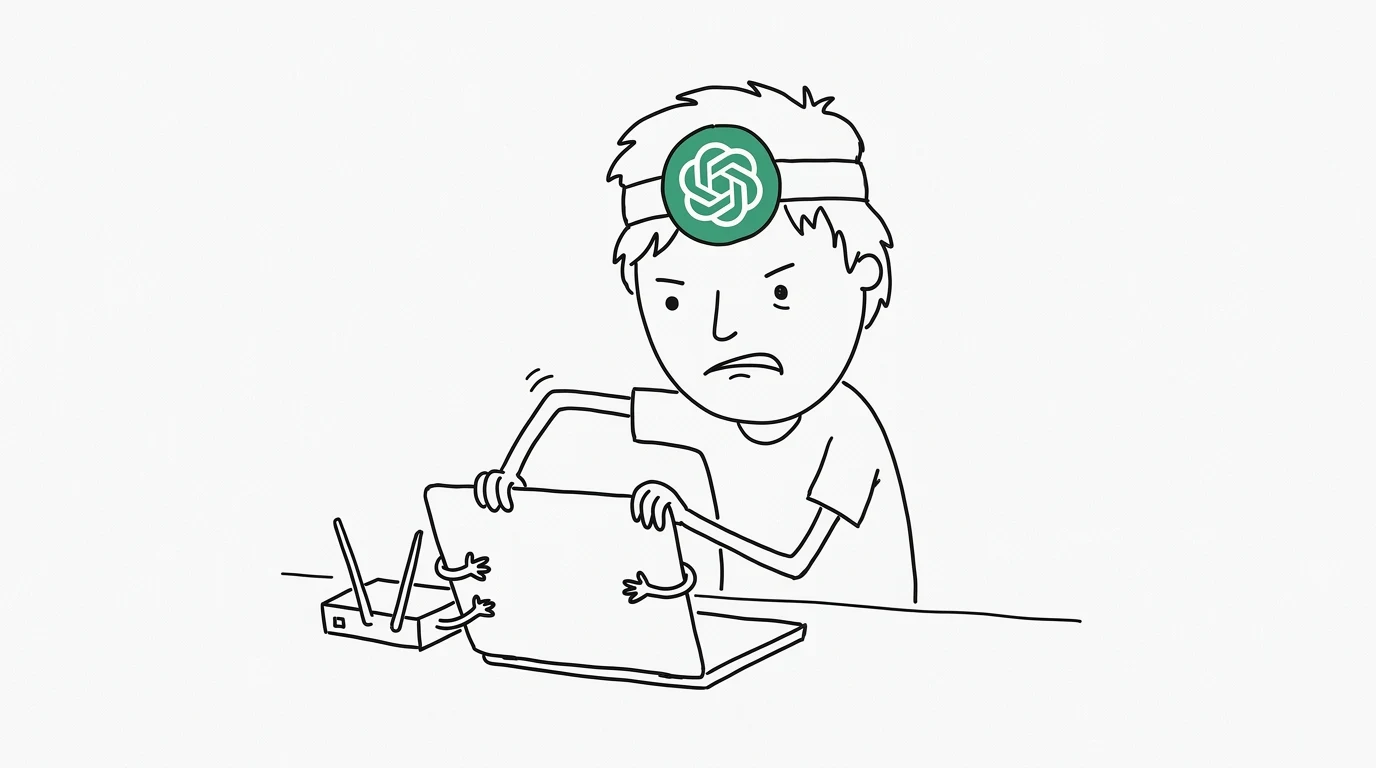
According to Business Today's write-up, the idea came from two places: her mother's partial hearing loss, and her observation that job posts list what employers want without explaining what the work is actually like. Fortune reports that she wrote Raaha's underlying algorithm herself. She used AI for the mechanical parts, like some of the website design and drafting emails.
Source: Business Today: Meet Navya Tuteja · 2026-10-05; Fortune: 17-year-old AI founder banned in school · 2026-10-05
The awkward part for ban skeptics: she says the block helped
She doesn't simply cheer against the ban. Business Today quotes her saying the WiFi block "made me use it in school way less," and that this was good in a way, even if it was annoying. Fortune quotes her saying, "I try to do all my learning myself," especially for material she'll be tested on. Her real complaint is the one Business Today highlights: "People just don't know how to use it properly."
Source: Business Today: Meet Navya Tuteja · 2026-10-05; Fortune: 17-year-old AI founder banned in school · 2026-10-05
That's the real question, because students aren't avoiding AI. Fortune cites RAND polling showing that the share of students using AI for homework rose from 48% to 62% between May and December 2025. A WiFi filter controls where AI gets used, not whether it does.
Source: Fortune: 17-year-old AI founder banned in school · 2026-10-05
The take: a WiFi block is a speed bump. Schools are acting like it's a curriculum
Here's my view. Blanket school-network bans are overrated as policy and underrated as a study tool, and schools keep confusing the two. Look at what worked for Tuteja. It wasn't the firewall. It was a rule she set for herself: do the learning yourself and hand the busywork to the machine. The block just made that rule easier to follow for seven hours a day. Then she went home, opened the same tools and shipped a product. A ban that only covers school hours doesn't teach judgment. It moves the judgment to the kitchen table, where nobody is teaching it. The student who already has discipline gets a slightly quieter classroom. The student who doesn't learns that AI is something you use where adults can't see it. That's the worst lesson you could teach about a tool they'll use at every job they ever have.
The fair counterargument is that focus matters and phones and chatbots really do pull attention. So keep the speed bump if you want it. Just don't let it replace the actual lesson: when to use AI, when not to, and how to say openly that you used it. Her split between learning herself and automating the grunt work is a better AI policy than most districts have written.
If you're a parent or a teen, the terms still apply
If you are under 18 you must have your parent or legal guardian's permission to use the Services.
OpenAI Terms of Use (effective January 1, 2026)Source: OpenAI Terms of Use · 2026-10-05
This matters for the open-use approach: if a school isn't supervising a teenager's ChatGPT use, it falls to the family. OpenAI's terms set a minimum age of 13, or higher where a country requires it, and require parental permission for users under 18. Users in the EEA, Switzerland and the UK are covered by OpenAI's separate EU terms instead.
Source: OpenAI Terms of Use · 2026-10-05
- Link accounts instead of policing passwordsOpenAI's parental controls let a parent invite a teen to link accounts, or the teen can invite the parent. Parents then manage settings from their own account and are notified if the teen unlinks.
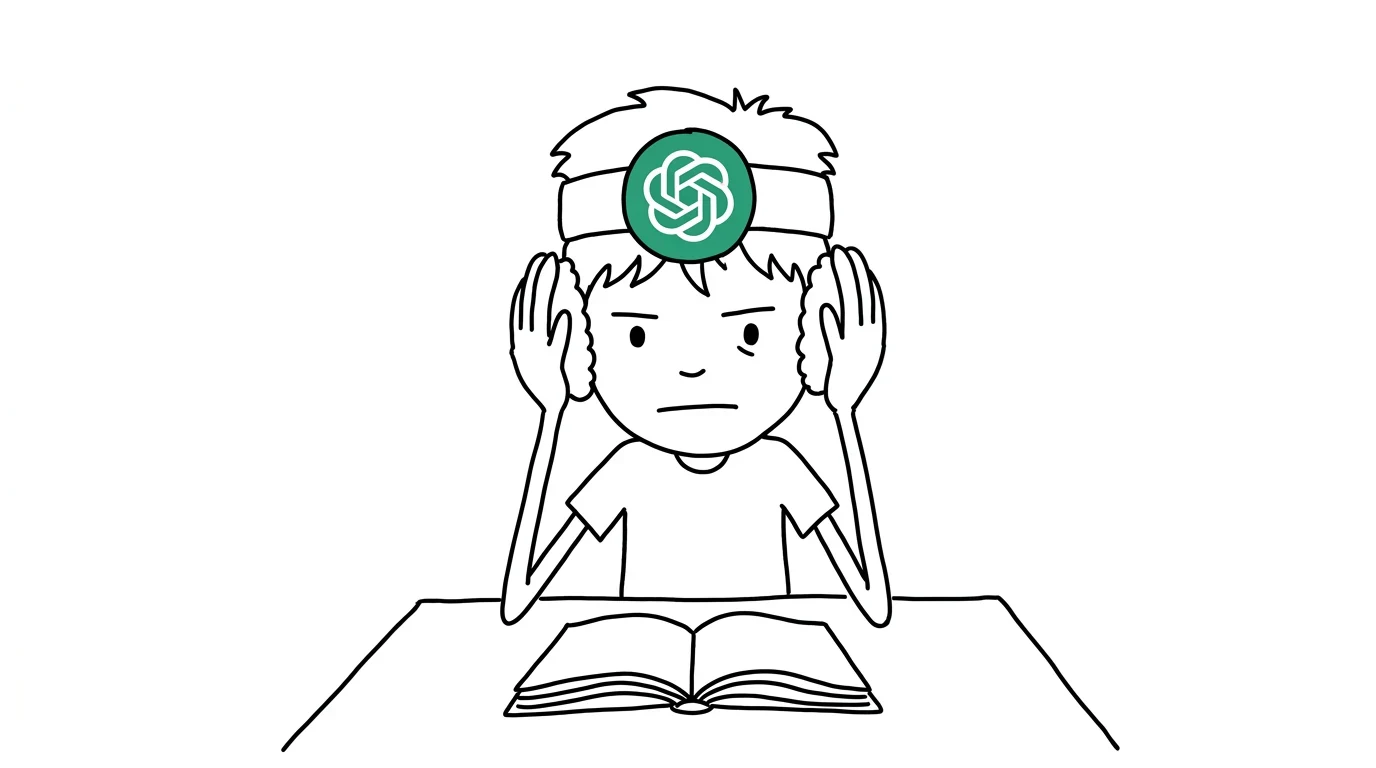
- Use quiet hours as your 'school WiFi'Parents can set times when ChatGPT can't be used. That gives you a focus window like the one Tuteja described, without pretending AI doesn't exist.
- Turn off what you don't needSettings include disabling voice mode, memory and image generation, and opting the teen's conversations out of model training. Linked teen accounts also get added content protections automatically.
Source: OpenAI: Introducing parental controls · 2026-10-05
Steal her rule
Try this house policy: anything that will be on a test, you learn yourself. Anything mechanical, like formatting, a first email draft or boilerplate, AI can help with, and you say so when you use it. It's easier to enforce than a firewall, and it still works once they leave school.
Optional: compare ChatGPT plan listings from third-party sellers (a seller listing, not official OpenAI access or an endorsement). That link carries our partner code Sk52g, which is how a purchase is attributed to this site. Promotion code UPD3S.
Sources (read 2026-10-05)